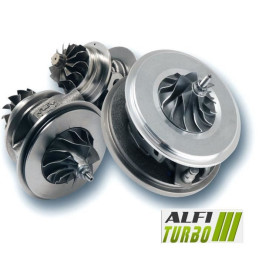
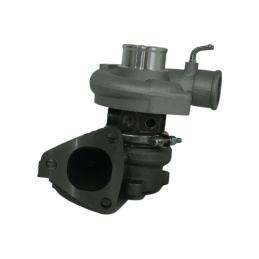
- Hybrid
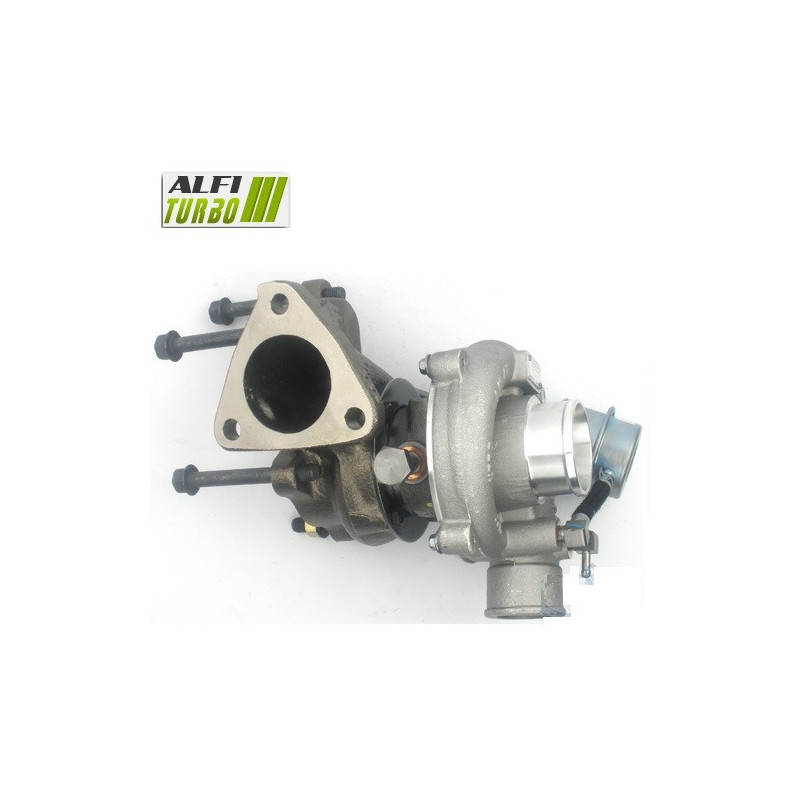

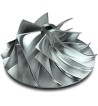
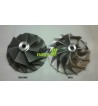
ALFI ref.: 730640
Hybrid Turbo plug & play Based on 730640, available in the following formulations: 1, 2 and 3 It is intended for the applications documented at Galloper 2 5 100 from 1999 onwards and Galloper Exceed 2 5 100 from 2000 onwards Stage Stage Stage. Hyundai. TD. TD.
WARNING — IMPORTANT BEFORE INSTALLATION
Before fitting, identify and rectify the cause of the previous fault. Check the lubrication circuit, the oil supply and return d as well as the cleanliness of all pipes.
Check the inlet for any foreign objects. Prime the system in accordance with the applicable recommendations and follow the vehicle manufacturer’s instructions.
A lubrication fault that is not rectified may lead to further damage to the turbocharger.
Check the part number of the original turbo d, the OEM and manufacturer part numbers, then compare the make, model, generation, body style, engine type, power output, production period and engine code.. An identical engine type may have several different configurations.
Check your turbo’s part numbers
Before ordering, compare the part number marked on your original turbo d with the part numbers listed in this specification sheet. An identical engine does not always guarantee compatibility.
If in doubt, please contact us with the part number clearly visible on your turbo and the vehicle’s precise details.

You might also like
Hybrid Turbo plug & play Based on 730640, available in the following formulations: 1, 2 and 3 It is intended for the applications documented at Galloper 2 5 100 from 1999 onwards and Galloper Exceed 2 5 100 from 2000 onwards Stage Stage Stage. Hyundai. TD. TD.